
Nature Futures is an Erasmus+ project addressing environmental and climate challenges through innovation in higher education.
The project explores how nature-based solutions and citizen science can be integrated into teaching, learning, and institutional practices.
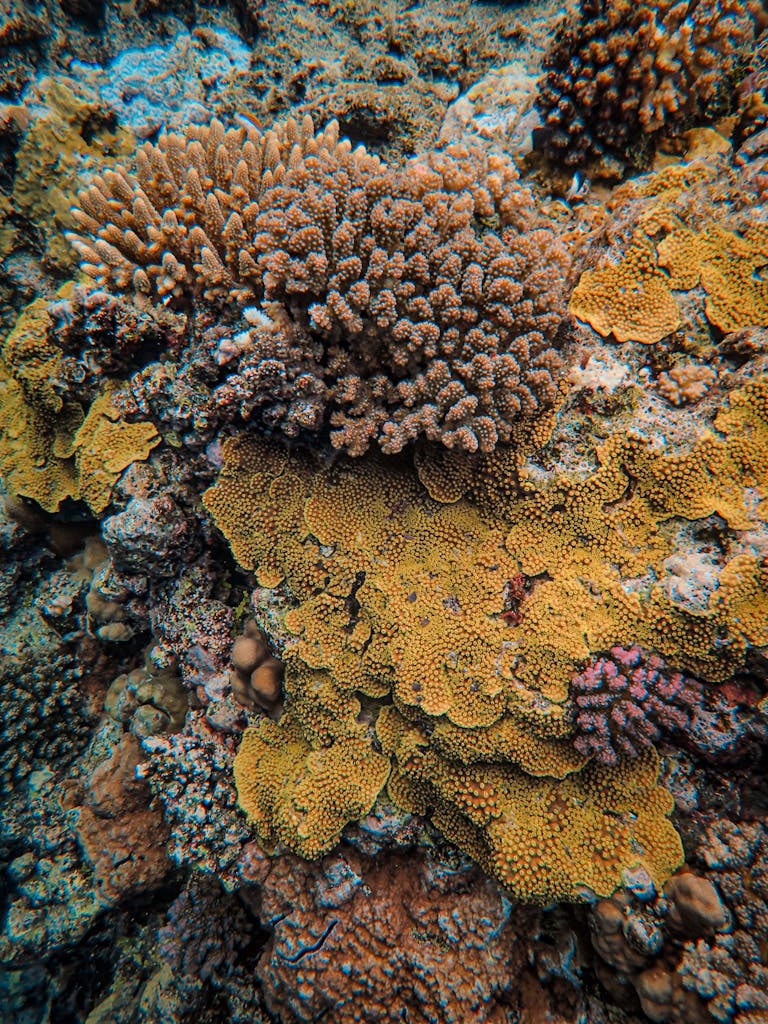
Re-imagining higher education as a catalyst for environmental and societal transformation.
Nature Futures responds to this challenge by promoting interdisciplinary approaches that bridge environmental knowledge, social innovation, and practical engagement. The project explores how nature-based solutions can become powerful learning frameworks, enabling students and educators to engage with real-world sustainability challenges.
Through collaboration, experimentation, and knowledge exchange, Nature Futures contributes to strengthening the capacity of higher education institutions to support sustainable and resilient futures.
Higher education institutions play a critical role in preparing societies for environmental transition.
However, sustainability education often remains fragmented across disciplines.
Nature Futures develops open educational resources, learning modules, and practical guidance for higher education.

FAQs
What challenges does Nature Futures address?
Nature Futures addresses the growing need for higher education to respond effectively to climate change, biodiversity loss, and sustainability challenges. Many study programmes still treat these issues separately across disciplines. The project works to integrate environmental knowledge, practical skills, and interdisciplinary collaboration into education and learning practices.
How does the project support higher education?
Nature Futures supports higher education institutions by developing and testing teaching modules, learning activities, and educational resources focused on nature-based solutions. Through pilot courses, collaborative workshops, and shared learning between partner universities, the project helps educators integrate sustainability into existing curricula.
What are nature-based solutions?
Nature-based solutions are approaches that use natural processes and ecosystems to address environmental and societal challenges. Examples include urban green spaces that reduce heat, wetlands that improve water management, or biodiversity-focused landscape design that strengthens climate resilience while benefiting communities.
Who benefits from the project outcomes?
The project benefits students, educators, higher education institutions, and local communities. Students gain practical sustainability competences, educators receive innovative teaching resources, and institutions strengthen their capacity to address environmental challenges through education and collaboration.